
How to find your Gifts and Calling


Finding your gifts and calling in life puts your on course for the manifestation of your presence in this world. Mensa Otabil takes you on a teaching journey to your own discovery.
Give it up to Mensa Otabil.
The Myth of the Singular Calling
There’s a quietly damaging idea embedded in a lot of “find your calling” language: that each person has exactly one true purpose, and choosing wrong means a wasted life. This creates paralysis, because the stakes feel infinite.
Walk into the deep
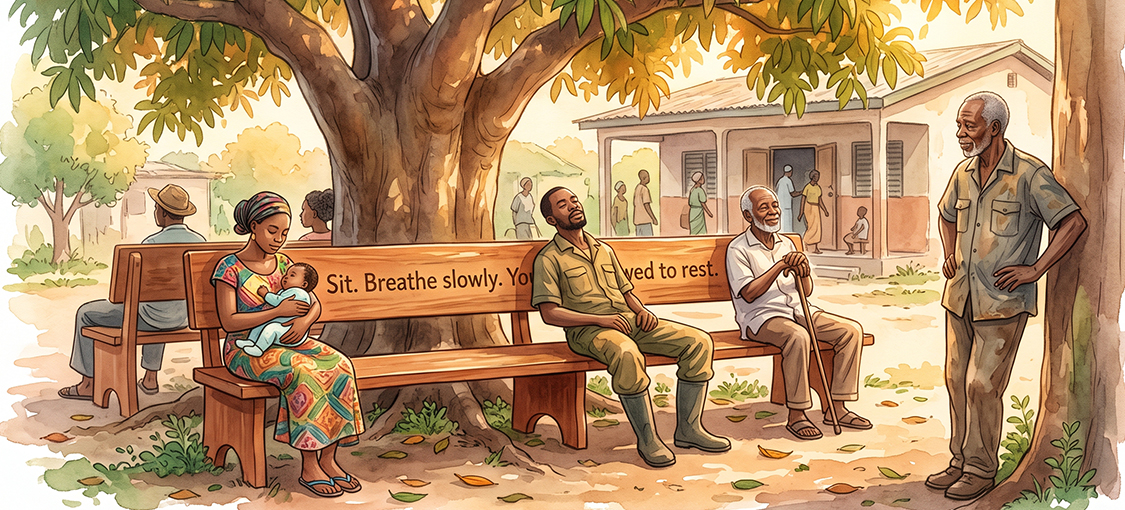

A more useful and more accurate model is that most people are capable of a range of meaningful callings — not one narrow slot, but a broader territory shaped by their gifts, values, and circumstances. Many people find deep purpose in a second or third career, not because their first calling was fake, but because they grew, and their sense of what mattered grew with them.
This should be a relief. It lowers the stakes of any single decision and raises the value of ongoing attentiveness. You are not one wrong turn away from missing your life’s purpose. You are building it, continuously, out of the choices in front of you.
Where Gifts Meet Contribution
Talent alone is not calling. A gift becomes a calling when it’s aimed at something beyond the self — when it meets a real need, serves someone, or solves a problem that matters to you more than it should reasonably matter to a stranger.
This is why the most reliable calling-finding question isn’t “what am I good at?” but:
“What problem do I care about enough that I’d work on it even if it were hard, unglamorous, and slow to pay off?”
Combine that with your honest inventory of gifts, and you get something closer to a real answer than any personality quiz will give you.
Walk into the deep



A Short, Practical Starting Point
If you want to begin now rather than simply think about beginning, try this over the next month:
- Keep a simple log — a few lines a day — of what energized you and what drained you.
- Ask three people who know you well: “What do you think I’m better at than I realize?”
- Pick one small, low-stakes project connected to a recurring irritation or curiosity, and finish it.
- Notice, don’t judge. Resist the urge to force meaning into the data early. Let the pattern accumulate.
Closing Thought
Calling is not a destination you arrive at by finding the right map. It’s closer to a trail that only becomes visible once you’ve walked far enough down it to look back. Your job isn’t to see the whole path from where you’re standing. It’s to notice which direction keeps pulling you forward and to take the next honest step.

G



Conversations
You must be logged in to comment on this article.
Log In / Register