
The Corporation
In a certain kingdom there lived a creature unlike any other. It had no single face, no single heart, and yet it walked and worked as though it were one being. The peasants called it the Many-Handed Beast, for it had gathered together a thousand hands from a thousand different people, and bound them to a single body with promises of bread.
Each hand belonged to someone. A mother who needed to feed her children. A young man chasing the shape of his future. An old woman who had given so many years to the Beast that she no longer remembered her hands as her own. They came freely, each one, drawn by hunger or ambition or simple need, and the Beast welcomed them all, for a beast with more hands can build more, carry more, take more.
But the Beast had no mouth of its own to speak truth, only a Council of Voices who spoke in its name. And the Council said: the Beast is not any one of you, and so no one of you may be blamed for what the Beast does. If the Beast tramples a village, ask the village to sue the Beast, not the hands that did the trampling. If the Beast poisons a river, the river’s grief belongs to no one in particular.
Walk into the deep
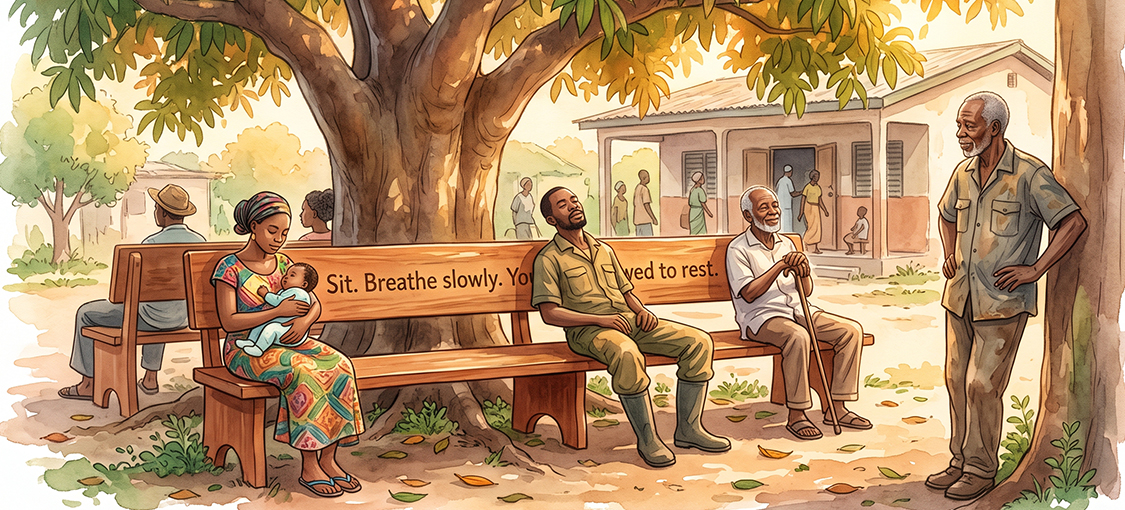
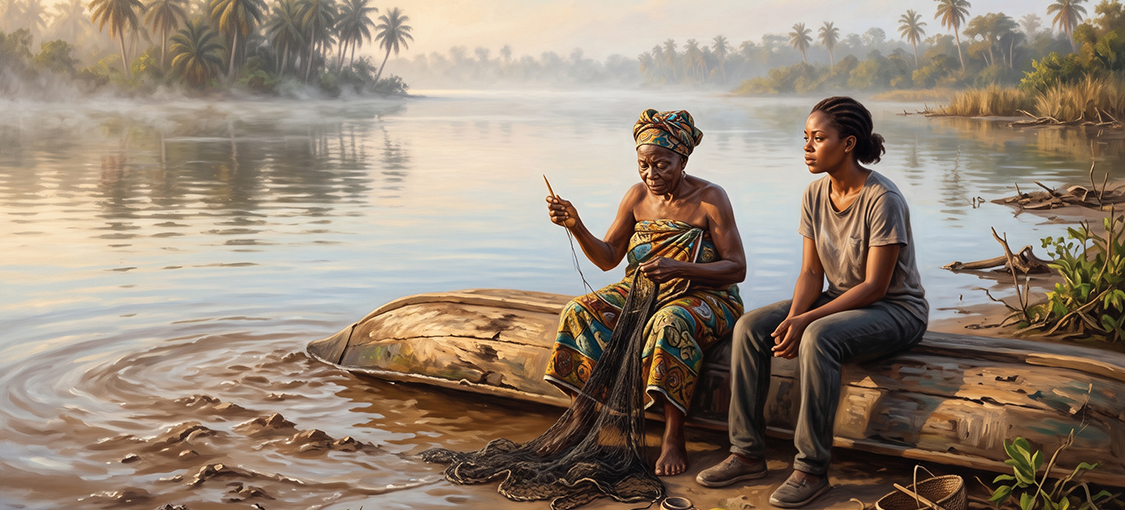
This was the Beast’s oldest and cleverest magic: it could act with a thousand hands and answer with none.
A traveler came once and asked the Beast, “Do you love the people who feed you their labor?”
The Beast, through its Council, answered, “I love what is efficient. I love what grows. Love is not written into my charter.”
The traveler asked, “Then who tends to your hands when they grow tired?”
And the Beast said, “A hand that tires is replaced. I have never once run short of hands.”
Walk into the deep
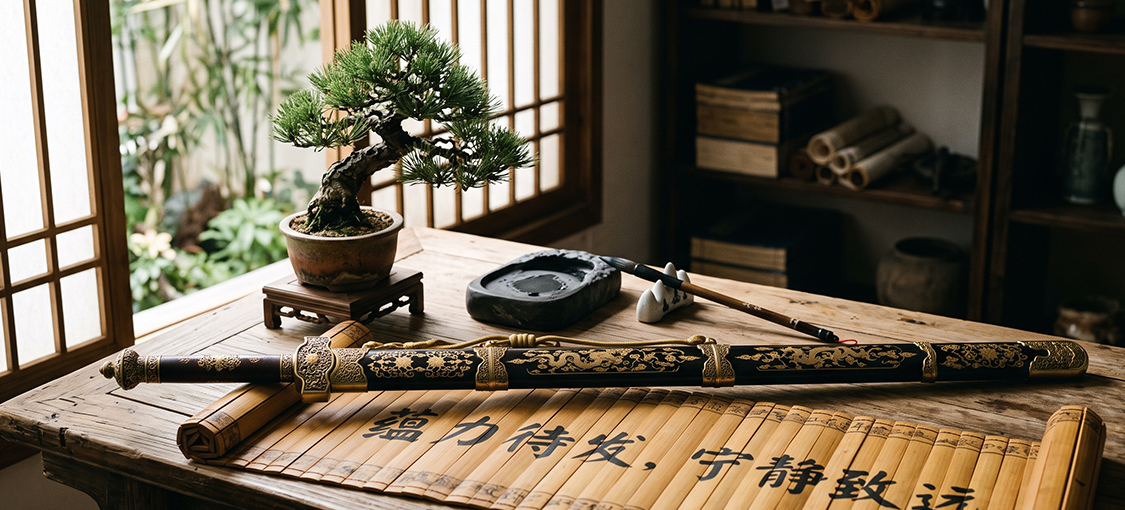
The traveler walked among the hands themselves and found they were not evil, not one of them. The mother’s hand was gentle when it touched her own children at night. The young man’s hand had once pulled a drowning dog from a river. The old woman’s hand had, in another life, planted a garden that still bloomed. Each hand, alone, knew tenderness.
“How is it,” the traveler asked an old sage who watched the kingdom from a hill, “that gentle hands make so ungentle a Beast?”
The sage said, “Because the Beast was built to have no face to be ashamed with, and no single heart to break. Each hand does only its portion of the harvest, and none sees the whole field burning. A man will do in a crowd what he would weep to do alone. The Beast is built entirely from that mercy men show themselves when guilt is divided by a thousand.”
“Then the Beast cannot be good or evil,” the traveler said. “It is simply built to forget.”
“No,” said the sage. “It can be good, if the ones who hold its hands agree together to remember. A beast is only as blind as the eyes its makers choose to close. There have been Beasts who built wells instead of poisoning rivers, who paid their hands enough to also feed their own children well, who let their Council speak plainly when they had done wrong. These were not gentler beasts by nature. They were beasts whose keepers refused the comfort of forgetting.”
Walk into the deep
The traveler left the kingdom uncertain whether to curse the Beast or pity it. In the end he did neither. He simply wrote this down, so that anyone who ever found themselves becoming one of its thousand hands might remember: the hand is still yours. It still remembers how to plant a garden. It still remembers how to pull the drowning free.
The Beast has no conscience of its own. It borrows one, a little at a time, from every hand that refuses to forget it belongs to a person.
https://youtu.be/zpQYsk-8dWg

G


Conversations
You must be logged in to comment on this article.
Log In / Register